A School Music Programme Should Be About More Than Just Lessons
There is nothing wrong with a good music lesson; in fact, everything starts there. A student needs time with a good teacher, an instrument, and the opportunity to build the basics properly.
But if that is where the programme begins and ends, we are probably missing a big part of what music can offer in a school.
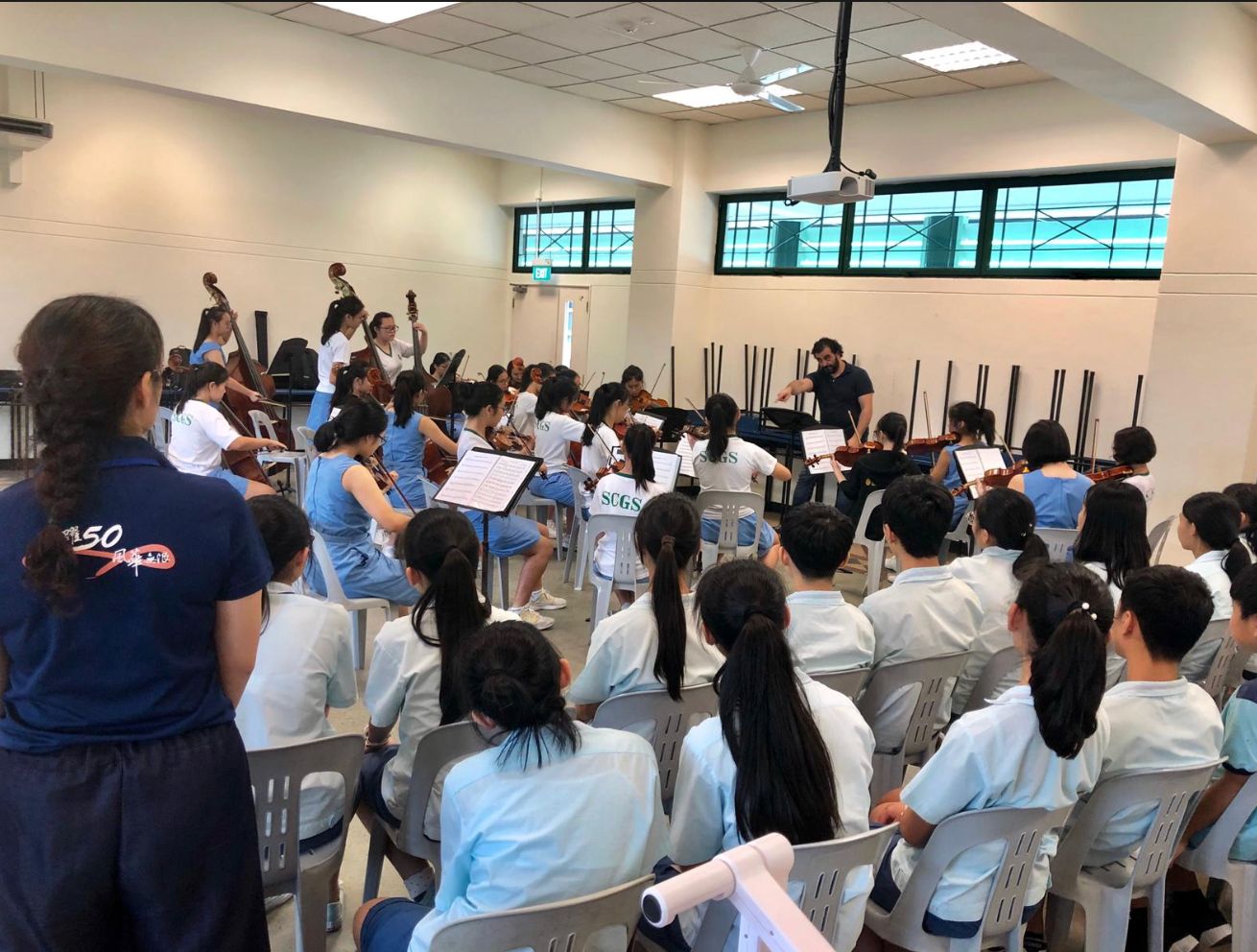
Students need opportunities to play with other people, perform, hear music they wouldn’t normally encounter, take part in workshops, and eventually stand on a stage and realise that all those individual lessons were leading somewhere.
Good music programme should have a sense of progression. A student should be able to start with their first few uncertain notes and, over time, find themselves playing in an ensemble, performing for an audience, or discovering an instrument they never thought they would enjoy.
That progression is important because music education is not only about developing musical ability. It is also about giving students experiences that are difficult to replicate elsewhere in the school day. Playing in an ensemble teaches students to listen to each other. Performing asks them to take responsibility for something in front of other people. Learning a difficult piece teaches them that improvement rarely happens all at once. These are lessons that stay useful long after the student has forgotten the name of the piece they were learning.
A strong programme also gives students different ways to engage with music. Not every child will want to become the strongest instrumentalist in the room, and they shouldn’t have to. One student might discover that they love performing, another might find their place in an orchestra, and someone else might become fascinated by songwriting, composition, technology or simply listening to music. The role of a school music programme is to open those doors and give students enough opportunities to find the ones that interest them.
This is also why the programme needs to be bigger than the individual teacher. Teachers are at the heart of it, but they should not have to build the entire structure around themselves. There needs to be a clear system behind the teaching: communication with the school, student records and progress, scheduling, performances and events, teacher support, and a way of making sure that what was promised at the beginning of the year is actually happening throughout the year.
And from the school’s perspective, that matters. A music programme should add value to school life without adding another layer of administration to an already busy team. The school should be able to know that the programme is being managed properly, the teachers are supported, the students are progressing and the activities are happening as they should. That’s our job
Not every student will become a musician, and they don’t need to. But if we are going to give music a place in the school day, perhaps we should give students more than a weekly lesson. We should give them a musical life within the school, while making sure the people running the school don’t have to carry all of the work themselves.
That’s when a music programme starts becoming something bigger than lessons.

At Artickle, this is how we think about school music programmes. The lesson is the starting point, not the finished product. We work with schools to build programmes that give students a clear musical journey, support teachers, create opportunities for performance and participation, and take care of the practical side of running the programme.
Because ultimately, the goal isn’t simply to have more students taking music lessons.
It’s to have more students finding a place in music.
Leave a Reply